
drinks
What Breaks a Fast? What You Can Actually Drink
By Dawnly Team

Technically, anything with calories breaks a fast, but the honest answer to “what breaks a fast” depends on your goal. If you’re fasting for weight loss, near-zero-calorie drinks like black coffee and plain tea usually keep your fast intact. If you’re chasing autophagy or steady blood sugar, the rules get much stricter: water is the safest choice, black coffee and plain tea are near zero calorie and probably fine but debated, and anything with real calories is out. This guide sorts every common food and drink into breaks, doesn’t break, and the gray area in between.
Key Takeaways
- For weight-loss fasting, staying under roughly 50 calories usually keeps your fast working; zero calories is always safest.
- Water, black coffee, and plain tea don’t break a fast for most goals.
- Anything with sugar, protein, or fat (milk, bone broth, BCAAs, gummy vitamins) breaks a fast.
- Sweeteners, gum, and diet soda sit in a gray area that depends on your body and your goal.
- This is general information, not medical advice.
What does “breaking a fast” actually mean?
Breaking a fast means giving your body enough of something to end the fasted state, and that comes down to two things: calories and your insulin response. Calories give your body fuel to process instead of burning stored energy. Certain foods and drinks also spike insulin, which switches your metabolism out of fat-burning mode.
Here’s the catch: there’s no single scientific line that defines a “broken” fast. The threshold shifts with your goal. For fat loss, a splash of near-zero-calorie liquid barely registers. For autophagy, the cellular cleanup process, researchers still debate exactly what interrupts it, so people chasing that benefit tend to stick to water only.
Insulin matters as much as calories. A food can be low in calories but still trigger an insulin response through taste or protein content. That’s why “zero calorie” and “doesn’t affect fasting” aren’t always the same thing.
What’s the simple rule of thumb?
The simplest rule most people use: if a drink has under about 50 calories, it probably won’t wreck a weight-loss fast. Zero calories is the safest bet across every goal. This isn’t an official cutoff, just a practical guideline that keeps things manageable when you’re staring at a menu or a coffee order.
Think of it as a spectrum, not a switch. A few calories from a squeeze of lemon or a splash of coffee won’t undo hours of fasting for fat loss. But those small amounts stack up if you sip flavored drinks all morning.
If your goal is strict (autophagy, gut rest, or a medical fast before bloodwork), drop the 50-calorie allowance entirely and stick to water. When in doubt, ask yourself what you’re fasting for. The answer usually tells you where your line should be.
What does NOT break a fast?
For weight-loss and general health fasting, a short list of drinks keeps you safely in the fasted state. These have zero or near-zero calories and minimal effect on insulin for most people.
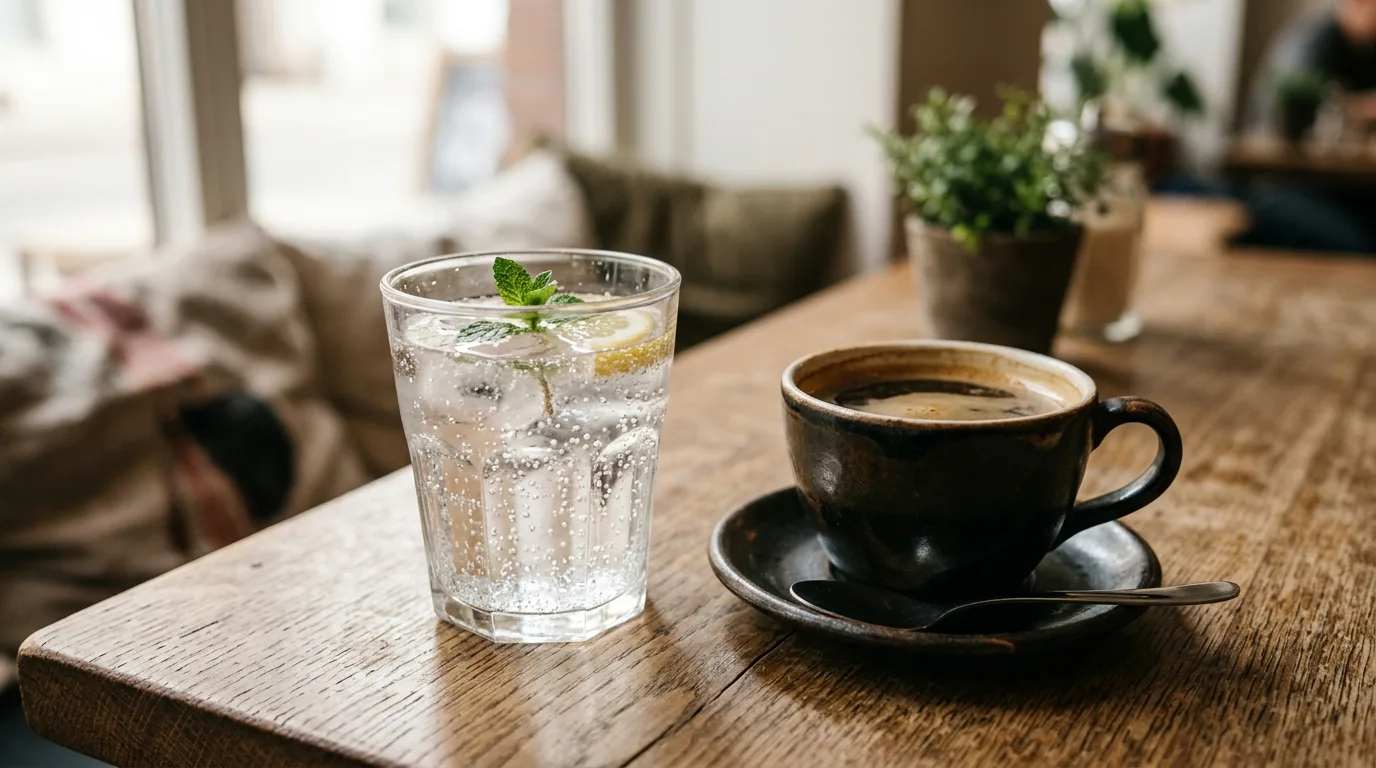
- Water (still or plain sparkling): the gold standard, always safe.
- Black coffee: no sugar, milk, or cream. See our does coffee break a fast deep-dive for the details.
- Plain tea: green, black, herbal, or oolong, with nothing added.
- Apple cider vinegar: a small splash (about a teaspoon) in water is negligible in calories.
- Electrolytes with no sugar: unsweetened electrolyte powders or drops help you avoid the “keto flu” feeling on longer fasts.
Keep these plain. The moment you add sweetener, cream, or juice, you move toward the gray area or straight into breaking your fast.
What DOES break a fast?
Anything with real calories breaks a fast in the strict sense. That means sugar, protein, and fat all count, even in small servings marketed as “fasting friendly.” If it feeds your body, it ends the fasted state.
The clear fast-breakers include:
- Milk and cream in coffee or tea (yes, even a splash adds calories and fat).
- Sweetened or sugary drinks: soda, juice, sweet tea, sports drinks, flavored lattes.
- Bone broth: popular in some fasting circles, but it contains protein, fat, and calories, so it breaks a fast.
- BCAAs (branched-chain amino acids): these are protein building blocks that trigger an insulin response.
- Gummy vitamins and chewables: often loaded with sugar and calories.
- Smoothies, protein shakes, and “just a bite” of food: obvious, but worth stating.
Some of these get marketed as fasting aids, especially bone broth and BCAAs. They may fit a low-calorie lifestyle, but they don’t belong in a true fast if you’re being strict.
What about the gray area: sweeteners, gum, and diet soda?
This is where honest answers get messy, and where “does it break a fast” has no clean yes or no. These items have zero or near-zero calories but may still affect some people’s insulin, hunger, or cravings.
Artificial and natural sweeteners
Zero-calorie sweeteners like stevia, erythritol, and sucralose don’t add calories, so many people use them during a fast. But the research is mixed. Some studies suggest certain sweeteners can trigger an insulin response or increase appetite in some people. If weight loss stalls, sweeteners are worth cutting first.
Chewing gum
Sugar-free gum has just a few calories per piece. One piece probably won’t break a weight-loss fast, but chewing can stimulate hunger and digestion for some. A whole pack is a different story. See can you chew gum while fasting for the full breakdown.
Diet soda
Diet soda has no calories, so it technically fits a weight-loss fast. Still, the sweeteners and carbonation leave it in the gray zone, and some people find it drives cravings. Occasional is fine for most; constant sipping isn’t ideal.
Lemon water
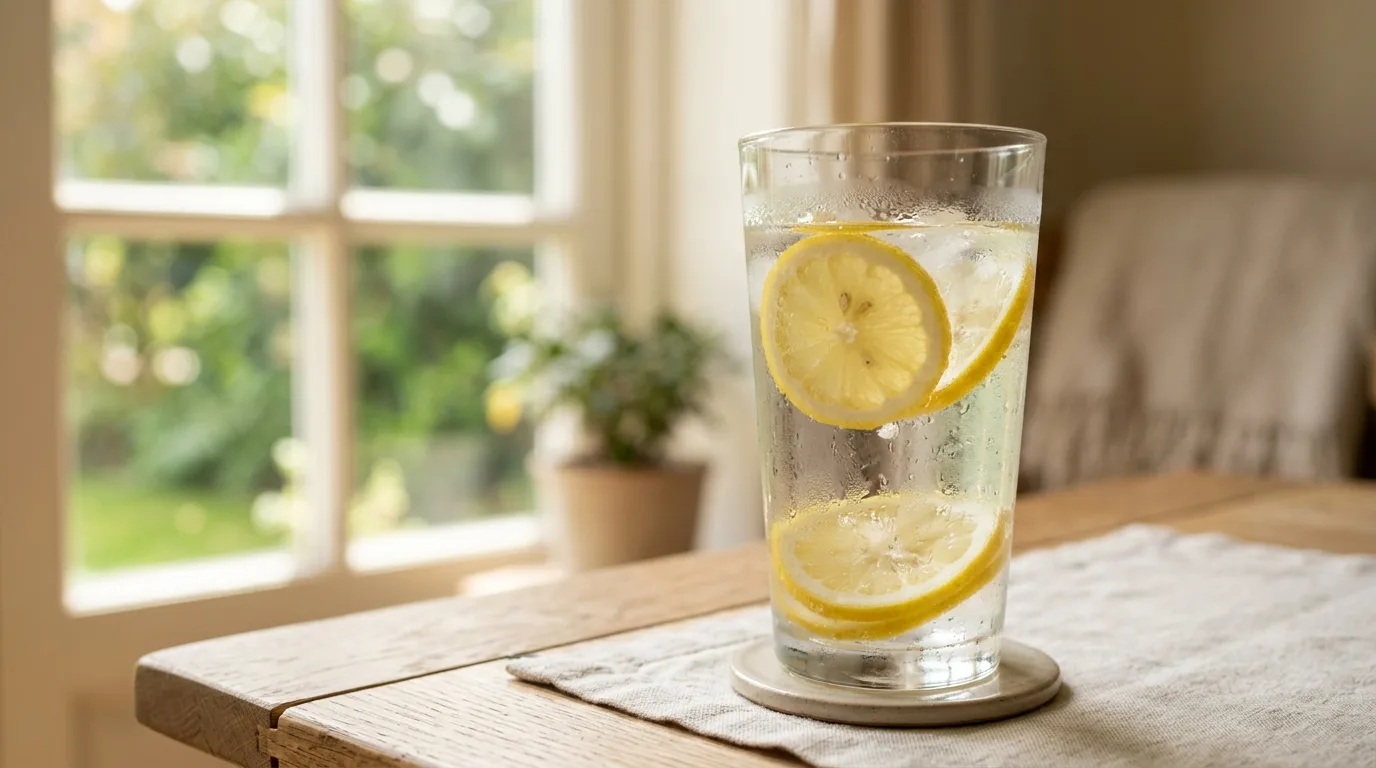
A small squeeze of lemon in water adds only a few calories and is generally considered fine for weight-loss fasting. A full glass of lemon juice with sweetener is not. Keep the “lemon water” light and you’ll stay in the clear. For more, see does lemon water break a fast.
Clean fasting vs dirty fasting: what’s the difference?
Clean fasting means water, black coffee, and plain tea only, with nothing that has calories or additives. Dirty fasting allows small amounts of “extras” like a splash of cream, sweetener, or a few calories, as long as you stay very low overall.
Neither is wrong. The clean fasting vs dirty fasting choice comes down to your goal and how your body responds. Clean fasting gives you the fullest range of potential benefits and takes the guesswork out. Dirty fasting is more flexible and easier to stick with long-term, which for many people matters more than perfection. Our dirty fasting vs clean fasting guide breaks down the tradeoffs.
If you’re fasting mainly for weight loss and consistency, a little “dirty” flexibility can keep you on track. If you want the strictest metabolic and cellular benefits, go clean.
Quick reference: does it break a fast?
Here’s a fast-scan table for the most common questions. “Breaks a fast?” here assumes a weight-loss goal; stricter goals (autophagy, medical) should default to water only.
| Item | Breaks a fast? | Notes |
|---|---|---|
| Water (still or sparkling) | No | Always safe, keep it plain. |
| Black coffee | No | No sugar, milk, or cream. |
| Coffee with cream | Yes | Cream adds fat and calories. |
| Tea (plain) | No | Green, black, or herbal, unsweetened. |
| Lemon water (small squeeze) | No | A full glass of juice does. |
| Diet soda | Gray area | Zero calories, but sweeteners may affect cravings. |
| Gum (sugar-free) | Gray area | One piece is minor; a pack adds up. |
| Apple cider vinegar (1 tsp in water) | No | Negligible calories. |
| Electrolytes (no sugar) | No | Helpful on longer fasts. |
| Bone broth | Yes | Contains protein, fat, and calories. |
| BCAAs | Yes | Amino acids trigger an insulin response. |
Reputable organizations like Cleveland Clinic (clevelandclinic.org) and Johns Hopkins Medicine (hopkinsmedicine.org) publish general guidance on intermittent fasting if you want trusted background reading.
Frequently asked questions
Does coffee break a fast?
Plain black coffee doesn’t break a fast for weight-loss or most health goals, since it has almost no calories. Adding milk, cream, sugar, or flavored syrup does break it. If you want the full breakdown, read our does coffee break a fast guide.
Does lemon water break a fast?
A small squeeze of lemon in water doesn’t break a fast because it adds only a few calories. The trouble starts when you use a lot of lemon juice or add sweetener. Keep it to a light splash and your fast stays intact.
Do artificial sweeteners break a fast?
Zero-calorie sweeteners don’t add calories, so technically they don’t break a fast. But some people find they trigger cravings or affect insulin, which can stall weight loss. If your progress plateaus, cutting sweeteners is a smart first experiment.
Does apple cider vinegar break a fast?
A teaspoon or two of apple cider vinegar in water won’t break a fast, since the calorie count is negligible. Many people use it hoping to support blood sugar. Just avoid sweetened “ACV drinks,” which often contain added sugar and real calories. See does apple cider vinegar break a fast for details.
This article is general information, not medical advice; talk to your doctor before starting any fasting routine, especially if you have a health condition.
Ready to put this into practice? Pick your window, stick to clean or lightly dirty drinks, and track your progress so you can see what actually works for you. If you’re fasting to lose weight, pair these rules with our intermittent fasting for weight loss guide. Time your fasting window and log every fast with Dawnly.
Track your fasts with Dawnly
A clean timer, flexible plans, and streaks that keep you going. Free on iPhone and Android.
Get Dawnly