
drinks
Can You Chew Gum While Fasting? Sugar-Free vs Regular
By Dawnly Team
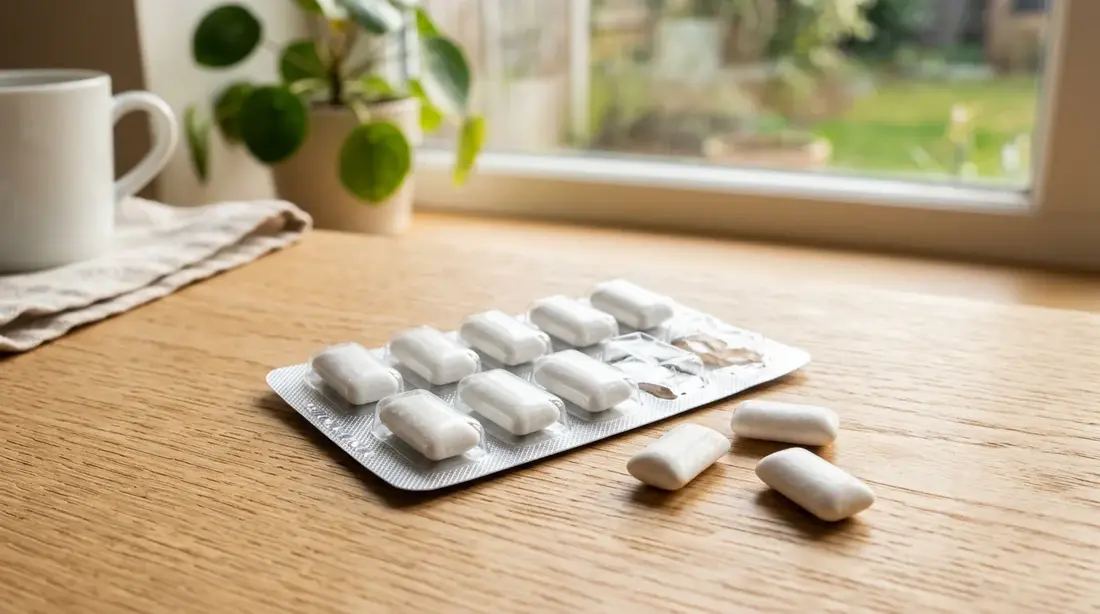
Yes, you can usually chew sugar-free gum while fasting. One piece has only about 1 to 5 calories, so it won’t meaningfully disrupt most fasting goals. Sugary gum is a different story, since the added sugar delivers real calories and can nudge your blood sugar. And for some people, the simple act of chewing gum while fasting stirs up hunger instead of quieting it. So the honest answer is “mostly yes, with a few caveats.”
This guide breaks down the calorie math, when gum crosses the line, and what to reach for if it backfires.
Key Takeaways
- Sugar-free gum has roughly 1 to 5 calories per piece, so a stick or two rarely breaks a fast.
- Regular sugary gum can break a fast because the sugar adds calories and may raise insulin.
- Chewing can trigger hunger or cravings for some people through the cephalic phase response.
- Strict autophagy fasters should skip gum; weight-loss fasters have more wiggle room.
- Water, black coffee, and plain tea are cleaner alternatives if gum makes you hungrier.
For the full picture on what does and doesn’t count, see our guide to what breaks a fast.
Can you chew gum while fasting?
You can usually chew sugar-free gum while fasting, because a single piece carries only about 1 to 5 calories. That amount is far too small to end a typical fast or stall fat burning. Most fasting approaches treat anything under a handful of calories as functionally “clean,” which puts one piece of sugar-free gum comfortably inside the safe zone.
Here’s the calorie math in plain terms. A stick of sugar-free gum lands near the low end, often 2 to 5 calories, because sugar alcohols and sweeteners provide the flavor. Two pieces might total 10 calories. That’s a rounding error against the 1,500 to 2,000 calories many adults eat daily.
So does chewing gum break intermittent fasting? For the vast majority of people chasing weight loss or general health, no. The trace calories don’t flip your body out of a fasted state in any meaningful way.
A single piece of sugar-free gum contains roughly 1 to 5 calories, an amount most fasting frameworks consider negligible. Because that falls well under the informal 50-calorie threshold many practitioners use, sugar-free gum rarely ends a fast for weight-loss or general-health goals.
Does gum break a fast?
Whether gum breaks a fast depends almost entirely on the type. Sugar-free gum, at 1 to 5 calories per piece, sits far below the informal 50-calorie rule that many fasting practitioners use as a practical cutoff. Regular sugary gum is riskier, since the added sugar delivers actual calories and can trigger an insulin response.
Think about the difference this way. Sugar-free gum uses sweeteners like xylitol, sorbitol, or aspartame. These sugar alcohols carry very few calories, and your body absorbs them slowly and incompletely. Regular gum uses real sugar, which your body reads as food.
The “50-calorie rule” isn’t an official law of biology. It’s a convention fasters adopted because intake that small is unlikely to spike insulin enough to matter. That’s why a piece or two of sugar-free gum passes, while a steady stream of sugary pieces slowly adds up and can quietly break your fast.
For a deeper look at how borderline items are judged, our breakdown of does coffee break a fast uses the same logic.
The catch: gum can make you hungrier
Even calorie-free gum has a downside for some people: it can make you hungrier. The act of chewing signals your body that food is coming, kicking off what researchers call the cephalic phase response. Your mouth waters, digestive juices ramp up, and cravings can spike, all before a single calorie arrives.
Plenty of fasters report the same pattern. Gum feels helpful for the first few minutes, then the chewing wakes up their appetite and the fast suddenly feels harder. If that sounds like you, gum may be working against your goal rather than for it.
Does this happen to everyone? No. Many people chew gum with zero hunger fallout, and some find it genuinely curbs snacking urges. The response is individual.
The practical move is simple. Try gum on a day when your schedule is flexible, then notice what happens 20 to 30 minutes later. If your hunger climbs, that’s useful data.
Sugar-free gum, sweeteners, and your goal
Whether sugar-free gum fasting is fine comes down to why you’re fasting. For weight loss, the goal is a calorie deficit, and 1 to 5 calories per piece barely registers, so gum is usually forgiving. For strict autophagy, the cellular cleanup process linked to longer fasts, even tiny inputs and sweetener responses may matter more.
If weight loss is your aim, don’t overthink it. A stick of sugar-free gum won’t sabotage a deficit built over your whole fasting window. Our guide to intermittent fasting for weight loss covers where your energy actually gets spent.
If you’re fasting specifically to maximize autophagy, play it safer. Some evidence suggests sweeteners can provoke a mild insulin or cephalic response in certain people, which may blunt the “clean fast” state you’re after. When the goal is strict, the simplest rule is to skip gum entirely and stick to water.
Sugar-free gum’s impact depends on the goal. For weight loss, 1 to 5 calories per piece is negligible against a daily deficit. For strict autophagy, some fasters avoid gum because sweeteners and chewing may trigger a mild cephalic or insulin response.
Better alternatives if gum backfires
If gum triggers hunger, several zero-calorie or near-zero options tend to work better. Plain water is the cleanest choice and costs your fast nothing. Black coffee and plain tea add almost no calories, may dull appetite, and give you flavor without the chewing that wakes up your stomach.

Try these when gum backfires:
- Water, still or sparkling. Zero calories, and it fills your stomach a little.
- Black coffee. No sugar, no cream, and caffeine can quiet hunger for a few hours.
- Plain tea. Green, black, or herbal, brewed with nothing added.
- Brushing your teeth. A fresh mint taste kills cravings without any chewing at all.
That last tip is underrated. Brushing or using an alcohol-free mouth rinse gives you the same clean-mouth feeling gum provides, minus the appetite trigger. Many fasters use it right when cravings peak.
How much gum is okay while fasting?
A piece or two of sugar-free gum is fine while fasting; a whole pack is not. At roughly 1 to 5 calories each, two pieces stay near 10 calories, well under the informal 50-calorie threshold. Chew a dozen pieces across your window, though, and those calories, plus repeated chewing, start to add up.
Keep it modest and you’ll stay in the clear. Use gum as an occasional tool for fresh breath or a quick craving, not as an all-day habit. If you find yourself reaching for stick after stick, that’s often a sign of real hunger or boredom that gum only masks.
Volume is the quiet trap. One piece is a non-issue, but “just one more” repeated ten times turns a clean fast into a slow drip of calories and constant appetite stimulation. Set a personal cap, say two pieces, and stick to it.
This article is general information, not medical advice; check with a clinician before changing how you fast, and reputable resources like Cleveland Clinic (clevelandclinic.org) and Johns Hopkins Medicine (hopkinsmedicine.org) offer solid fasting overviews.
Frequently asked questions
Does sugar-free gum break a fast?
For most people, no. Sugar-free gum has only about 1 to 5 calories per piece, which sits far below the informal 50-calorie limit many fasters use. A stick or two won’t meaningfully disrupt weight-loss fasting, though strict autophagy fasters may still prefer to skip it.
Does chewing gum break intermittent fasting?
Usually not, if it’s sugar-free and you keep it to a piece or two. The trace calories are negligible for a weight-loss fast. The bigger issue for some people is that chewing can trigger hunger, which makes sticking to your window harder rather than easier.
Is sugary gum okay while fasting?
Regular sugary gum is best avoided during a fast. The added sugar delivers real calories and can raise blood sugar and insulin, which works against a fasted state. If you want gum, choose a sugar-free variety sweetened with sugar alcohols instead.
Why does gum make me hungry when fasting?
Chewing can start the cephalic phase response, where your body prepares for food before any arrives. That means more saliva, digestive activity, and sometimes stronger cravings. Not everyone reacts this way, so test gum on a low-pressure day and watch how your hunger responds.
Bottom line: sugar-free gum is usually fine in small amounts, sugary gum isn’t, and if chewing makes you hungrier, water or a quick tooth-brush works better. Keep your fasting window on track with Dawnly, the free timer built for 16:8, OMAD, and custom plans.
Track your fasts with Dawnly
A clean timer, flexible plans, and streaks that keep you going. Free on iPhone and Android.
Get Dawnly