
drinks
Does Apple Cider Vinegar Break a Fast?
By Dawnly Team
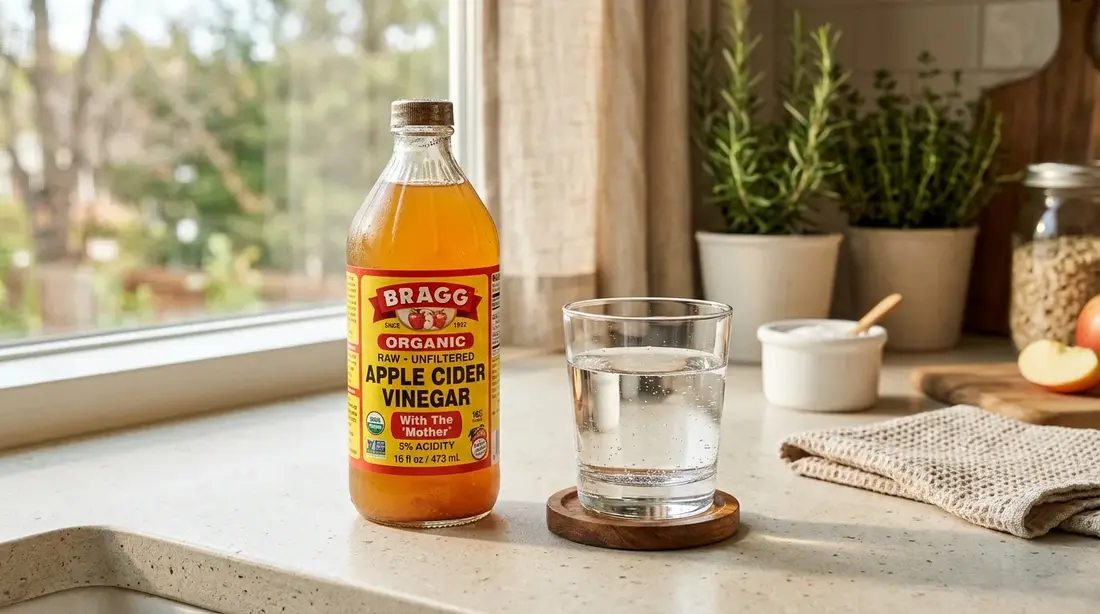
A small amount of apple cider vinegar, roughly 1 teaspoon to 1 tablespoon mixed into water, does not break a fast. That serving carries almost no calories, roughly 1 calorie for a teaspoon and about 3 for a tablespoon, so in small diluted amounts it is very unlikely to spike insulin or interrupt a weight-loss fast. The catch is dosage and additives. Large pours or sweetened bottled “ACV drinks” can add real sugar and calories, and those absolutely break a fast. So if you have wondered does apple cider vinegar break a fast, the honest answer is: plain, diluted, and modest is fine, while sugary or heavy servings are not.
Below you will find the calorie math, the possible benefits, and how to use acv while fasting without wrecking your tooth enamel or your stomach.
Key Takeaways
- Plain ACV diluted in water (1 tsp to 1 tbsp) does not break a fast; a tablespoon has only about 3 calories.
- Sweetened “ACV” drinks and gummies contain sugar, so they do break a fast.
- Any modest blood-sugar or appetite effects are small, not magic.
- Strict water-only fasting means skipping ACV entirely.
- Always dilute ACV to protect your teeth and avoid reflux.
Does apple cider vinegar break a fast?
Plain apple cider vinegar does not break a fast when you keep the serving small. One tablespoon of ACV contains roughly 3 calories and essentially no digestible carbohydrate, according to the USDA FoodData Central database. That amount is far too low to trigger a meaningful insulin response or interrupt fat metabolism, which is what most people mean when they ask does acv break a fast.
The strict definition matters here. Fasting is about limiting calories and insulin stimulation for a set window. A teaspoon of vinegar in a big glass of water clears that bar easily. The main acid in ACV, acetic acid, has negligible caloric value at these doses.
Two things flip the answer, though. First, sweetened ACV products: many bottled tonics and gummies add sugar, honey, or fruit juice, which pushes calories and carbs up fast. Second, volume: chugging a quarter cup adds up and can also irritate your gut. If you want the full picture on thresholds, see our guide to what breaks a fast.
So the practical rule is simple. Plain plus diluted plus small equals fine. Sweet or large equals broken.
How much ACV is okay while fasting?
Stick to 1 teaspoon to 1 tablespoon of plain apple cider vinegar per serving, diluted in 8 to 12 ounces of water. At that range you are consuming roughly 1 to 3 calories, according to USDA FoodData Central figures for vinegar. That is nutritionally invisible during a fast and comparable to the trace calories in black coffee or plain tea.

Here is the quick math. A tablespoon holds about 3 calories, so even two tablespoons across a full day lands near 6 calories. Most fasting frameworks treat anything under roughly 10 to 50 calories as non-breaking for practical purposes, though strict protocols are tighter.
How often can you drink it? Once or twice during your fasting window is reasonable for most people. Spreading it out beats one large dose, both for your stomach and your teeth. When people ask how much apple cider vinegar while fasting is safe, the honest ceiling is usually 1 to 2 tablespoons total per day, always diluted.
Watch the label on anything pre-made. If a drink lists sugar, honey, or juice, it is no longer a free pass. This is the same logic behind does coffee break a fast: the base is fine, the add-ins are the problem.
What about ACV gummies or pills?
ACV gummies almost always contain added sugar to make them palatable, often 1 to 2 grams each, so they can nudge you out of a fasted state if you take several. Capsules are usually calorie-free but deliver a concentrated dose that some stomachs dislike. If you use pills, take them with water, not on a completely empty stomach.
Does ACV have benefits during a fast?
The evidence for apple cider vinegar is modest and worth keeping in perspective. Small studies suggest vinegar may slightly blunt post-meal blood sugar spikes, and both the Cleveland Clinic and Johns Hopkins Medicine describe the research as limited and preliminary rather than settled. Do not expect dramatic results from a teaspoon in water.
Here is the measured view. Some short trials have found that acetic acid can slow gastric emptying and reduce the glucose rise after a carb-heavy meal. During a fast, when you are not eating carbs anyway, that specific benefit is less relevant. The more useful effect for fasters may be appetite: a sour, filling drink can take the edge off hunger.
The contrarian point worth making is that ACV is not a fat-burning shortcut. It will not “activate” anything on its own, and no single tablespoon meaningfully changes your daily energy balance. The calorie deficit you build over your eating and fasting windows does the real work. Vinegar is, at best, a small supporting habit.
If appetite control is your main reason for reaching for it, plain water, black coffee, or does lemon water break a fast are all comparable low-effort options. None of them replace the fundamentals.
ACV and your goal
Your fasting goal decides how forgiving you can be with apple cider vinegar. For weight loss, the rule is generous: a diluted teaspoon of ACV adds only about a calorie and will not derail a deficit, since the National Institutes of Health frames weight loss as a matter of sustained calorie balance over time. A trace of vinegar simply does not register.
For weight-loss fasters, ACV sits comfortably in the “allowed” column alongside water, black coffee, and plain tea. If it helps you get through a long window without snacking, that is a reasonable use. Pair it with a solid eating-window plan; our overview of intermittent fasting for weight loss covers how the windows fit together.
Autophagy and “clean” fasting are a different story. If your goal is strict cellular repair, the conservative approach is water only. Autophagy research in humans is still developing, and there is no proof that ACV either helps or hurts it. When the science is unsettled, purists choose the safest interpretation and skip anything with flavor or calories.
So match the drink to the intent. Loose weight-loss fast: ACV is fine. Strict autophagy fast: stick to water.
How to drink apple cider vinegar safely
Always dilute apple cider vinegar before drinking it, because the acid can erode tooth enamel and irritate your throat. Dental and health sources, including the Cleveland Clinic, recommend mixing it into water and never sipping it straight, since ACV sits near a pH of 2 to 3, acidic enough to wear down enamel over time.

Follow a few simple habits. Mix 1 teaspoon to 1 tablespoon into a full glass of water. Drink it fairly quickly rather than sipping slowly all morning, which bathes your teeth in acid. Afterward, rinse your mouth with plain water, and wait about 30 minutes before brushing so you are not scrubbing softened enamel.
Protect your stomach too. ACV can trigger or worsen acid reflux and heartburn in some people, especially on an empty stomach, which is exactly the fasting condition. If you feel burning, nausea, or discomfort, stop and switch to plain water. Using a straw can help keep acid off your front teeth.
A quick caution: this article is general information, not medical advice. If you take medication for blood sugar, have reflux, or have kidney concerns, check with your doctor before making ACV a daily habit.
Frequently asked questions
Does apple cider vinegar break a fast?
No, not in small, plain amounts. One tablespoon of ACV in water has only about 3 calories, according to USDA data, which is too little to break a fast. Sweetened ACV drinks with added sugar are the exception and will break it.
How much apple cider vinegar can I have while fasting?
Aim for 1 teaspoon to 1 tablespoon diluted in 8 to 12 ounces of water, once or twice during your fasting window. That keeps you under roughly 6 calories a day. Larger amounts add calories and can upset your stomach.
Do ACV gummies break a fast?
Usually yes. Most apple cider vinegar gummies contain added sugar, often 1 to 2 grams each, so a few of them add real carbohydrates and calories. If you want the fasting-safe version, use plain liquid ACV diluted in water instead.
Is it better to take ACV before or during a fast?
Either can work, but many people find a diluted glass during the fasting window helps blunt hunger. Avoid taking it on a totally empty stomach if you are prone to reflux. Taking it with your first meal is gentler on digestion.
Want a simple way to track your fasting window and see whether small habits like ACV are helping your streak? Dawnly is a free intermittent fasting timer for iPhone and Android with plans like 16:8, 18:6, 20:4, and OMAD, plus streaks and stats to keep you consistent.
Track your fasts with Dawnly
A clean timer, flexible plans, and streaks that keep you going. Free on iPhone and Android.
Get Dawnly