
drinks
Does Lemon Water Break a Fast? What You Can Drink
By Dawnly Team

If you’re sipping lemon water during your fasting window, here’s the short version: a small squeeze of lemon in a glass of water does not break a fast, because it adds only a few calories. A full glass of lemon juice or sweetened lemon water is a different story, and that one can break your fast. So does lemon water break a fast? Usually no, as long as you keep it to a squeeze or a slice and skip the sugar.
Let’s look at where the line actually sits, how much lemon is fine, and which “lemon detox” drinks quietly cancel your fast.
Key Takeaways
- A small squeeze or slice of lemon in water (just a few calories) does not break a fast.
- The juice of a whole lemon, or any sweetened lemon water, does break it.
- Plain water is always zero calories and never breaks a fast.
- Weight-loss fasting is forgiving; for strict autophagy, stick to plain water.
- This is general information, not medical advice.
Does lemon water break a fast?
No, plain lemon water with a small squeeze of lemon does not break a fast in any practical sense. A common rule of thumb among fasting communities is that staying under about 50 calories keeps you in a fasted state for most goals. A squeeze of lemon lands far below that, often just a handful of calories, so your fast stays intact.
Plain water, for the record, is always zero calories and never breaks a fast. Lemon water only gets risky when the lemon stops being a flavor accent and becomes the drink itself.
For the full picture on where different foods and drinks fall, see our guide on what breaks a fast.
How much lemon is okay?
A squeeze or a thin slice is fine. The juice of a whole lemon is where you start pushing your luck.
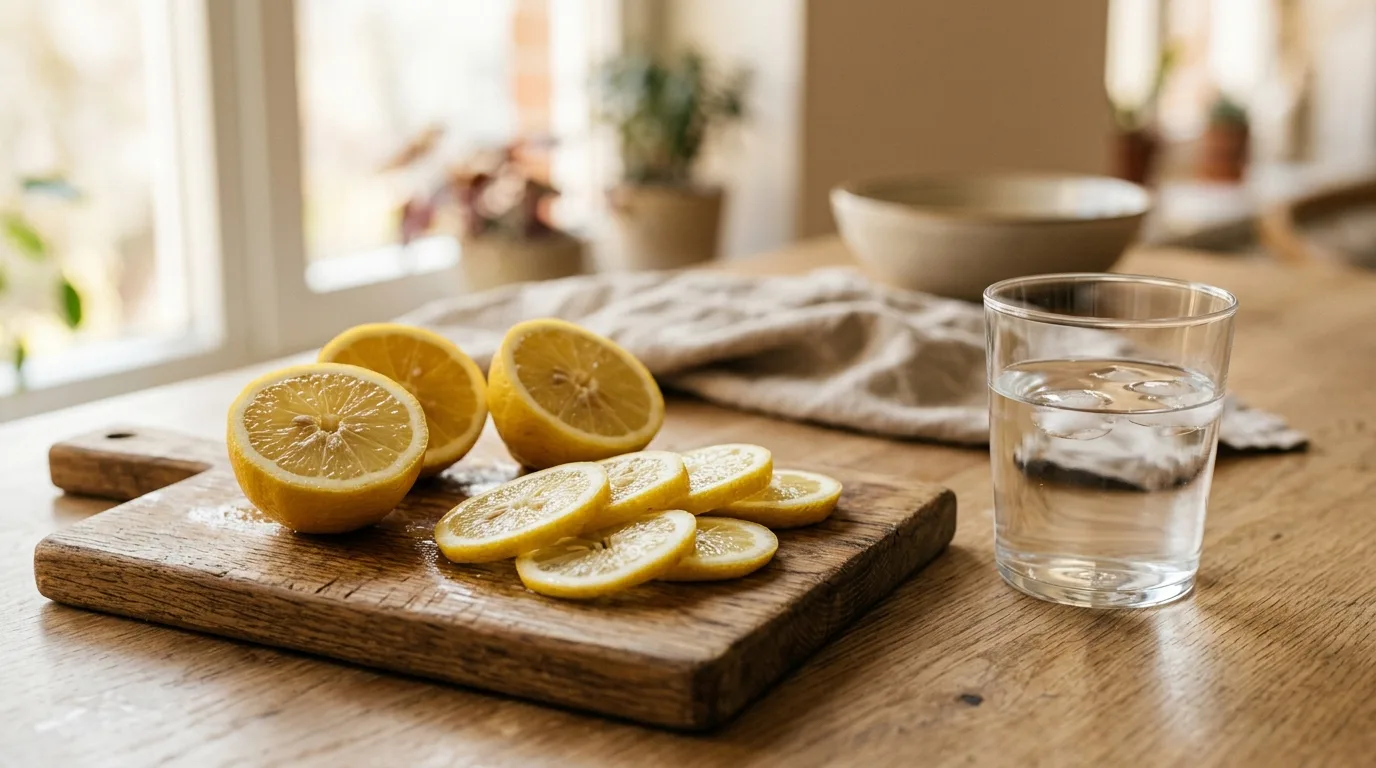
A single lemon holds roughly 10 to 12 calories in its full juice, and most of that comes from natural sugars. Squeeze in a wedge or two, and you’re adding maybe 1 to 3 calories to your glass. That’s a rounding error for your fast.
Here’s a simple way to think about it:
- Safe: a squeeze, a wedge, or a thin slice dropped in water
- Borderline: juice from half a lemon, several times a day
- Breaks your fast intent: the juice of one or more whole lemons, or any version with added sugar
What about lemon essential oil or lemon powder?
Pure lemon essential oil (food grade) adds essentially no calories, so a drop is fine. Lemon powders and “flavor packets” are the ones to check, since many include sweeteners, maltodextrin, or added sugars that push you over the line. Read the label before you assume it’s zero.
Does plain water break a fast?
No. Plain water never breaks a fast, and staying hydrated is one of the most useful things you can do during a fasting window. Still water, sparkling water, and mineral water all count as zero-calorie, so drink freely.
Hydration matters more than people expect while fasting. When you stop eating, you also stop getting the water that food normally provides, so your fluid needs don’t disappear. Mild dehydration can feel a lot like hunger or fatigue, which makes a long fast harder than it needs to be.
If you find plain water boring, that’s often the real reason people reach for lemon in the first place. A squeeze of lemon or a few cucumber slices makes water easier to drink without meaningfully affecting your fast.
Curious how caffeine fits into this? Our breakdown of does coffee break a fast covers black coffee, cream, and everything in between.
Lemon water and your goal
Your fasting goal decides how strict you need to be, and lemon water is judged differently depending on why you’re fasting. For weight-loss fasting, the rules are forgiving. For strict autophagy or a medically supervised fast, the standard is tighter.

If weight loss is your aim, a few calories from a lemon squeeze won’t derail your progress. What matters most is your overall calorie balance across the day and week, not whether a wedge of lemon added two calories at 10 a.m. You can lean on that flexibility. Our guide to intermittent fasting for weight loss explains why the eating window usually matters more than trace calories.
If you’re chasing autophagy, the cellular “cleanup” process many people fast for, the safest approach is water only. The honest answer is that the exact calorie or macronutrient threshold that interrupts autophagy in humans isn’t well established. When the goal is strict, keep it simple: water, black coffee, and plain tea, with no lemon calories in the mix.
A quick rule for deciding
Ask yourself one question: are you fasting for weight management or for something stricter? If it’s weight management, a squeeze of lemon is a non-issue. If it’s autophagy or a clinical fast, drop the lemon and stick to plain water.
Watch out for these
The lemon isn’t usually the problem. What people add to it is. Several popular “lemon water” drinks break a fast even though they look innocent.
Keep an eye on these:
- Honey or agave. Even a teaspoon of honey adds roughly 20 calories of pure sugar, which spikes insulin and ends the fasted state.
- Sugar or simple syrup. Classic lemonade is mostly sugar water. It breaks a fast instantly.
- “Detox” lemon drinks that include maple syrup, cayenne blends, or fruit juice. The maple-syrup cleanse recipe is essentially a sugar drink.
- Bottled lemonade and “lemon water” beverages, which frequently contain added sugars or sweeteners. Check the nutrition label rather than trusting the front of the bottle.
What about zero-calorie sweeteners in lemon water?
This one is genuinely debated. Some people tolerate a pinch of stevia or monk fruit with no issue, while others notice that a sweet taste triggers cravings or a small insulin response. If you’re being strict, skip them. If your goal is weight loss and they help you stick to your fast, a zero-calorie sweetener is a reasonable trade-off.
Benefits people claim vs what holds up
Lemon water gets credited with a long list of powers, and only some of them survive scrutiny. The reliable benefits are simple: it makes water taste better and helps you stay hydrated, which supports getting through a fast.
Here’s an honest split.
What holds up:
- It improves the taste of water, so you drink more of it.
- It contributes to hydration during your fasting window.
- Lemons provide vitamin C, though a squeeze delivers only a small amount.
What’s overstated:
- “Detox” claims. Your liver and kidneys handle detoxification, and lemon water doesn’t meaningfully speed that up. Organizations like the Cleveland Clinic (clevelandclinic.org) have pushed back on popular detox marketing.
- Big “metabolism boost” promises. Warm lemon water in the morning is pleasant, but it isn’t a fat-burning trigger on its own.
- “Alkalizing your body.” Your body tightly controls its own pH regardless of what you drink.
The reasonable takeaway: enjoy lemon water because it helps you drink enough and makes fasting more comfortable, not because it’s a magic cleanse. General reference organizations like Johns Hopkins Medicine (hopkinsmedicine.org) frame hydration as the practical win, and that framing holds up.
Frequently asked questions
Does water break a fast?
No. Plain water has zero calories and never breaks a fast, whether it’s still, sparkling, or mineral water. Staying hydrated actually makes fasting easier, since dehydration can mimic hunger. Drink water freely throughout your fasting window.
Can you drink lemon water while fasting?
Yes, in most cases. A squeeze or a slice of lemon in water adds only a few calories, so it won’t break a fast for weight-loss or general health goals. Just avoid sweeteners, honey, or the juice of a whole lemon if you want to stay strict.
Is lemon water ok during intermittent fasting?
For typical intermittent fasting, yes. The trace calories from a lemon squeeze are too small to matter for weight management. If you’re fasting specifically for autophagy or a medical reason, stick to plain water instead to be safe.
Will lemon water make me hungrier?
It can go either way. Some people find the tart, refreshing taste curbs cravings, while others notice that any flavor makes them think about food. Try it for a few days and see how your own hunger responds before deciding.
This article is general information, not medical advice. Talk to a doctor before starting a fasting routine if you have a health condition, take medication, or are pregnant.
Want to see exactly how your window is going and whether those little sips add up? Track your fasting window, plans, and streaks with Dawnly, a free intermittent fasting tracker for iPhone and Android. Start your next fast with a clear timer and keep the lemon water simple.
Track your fasts with Dawnly
A clean timer, flexible plans, and streaks that keep you going. Free on iPhone and Android.
Get Dawnly