food
What to Eat After Fasting: Best Foods & Sample Meals
By Dawnly Team
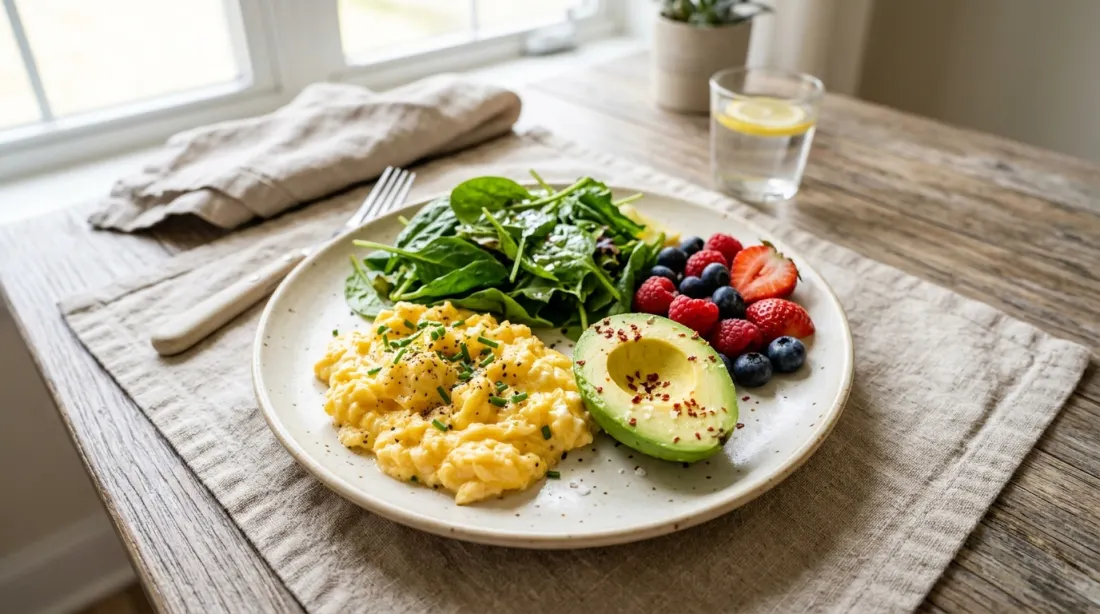
What you eat right after fasting matters as much as the fast itself. To break a fast well, start with a small, easy-to-digest meal built around protein, fiber, and whole foods, then wait 30 to 60 minutes before eating a fuller plate. Knowing what to eat after fasting helps you avoid bloating, energy crashes, and blood sugar spikes.
Your digestive system slows down during a fast, so a giant sugary or greasy meal can leave you sluggish and uncomfortable. A gentler approach keeps energy steady and makes the transition easier, especially after longer fasting windows.
Key Takeaways
- Break your fast with a small portion first, then eat a balanced meal 30 to 60 minutes later.
- Prioritize protein, fiber, and hydrating whole foods over refined sugar and fried food.
- Longer fasts need gentler refeeding, think broth, fruit, or cooked vegetables before heavier dishes.
- Skip large, greasy, or sugary meals that can trigger bloating and blood sugar swings.
- This is general information, not medical advice.
What should you eat after fasting?
After fasting, eat a modest first meal centered on lean protein, fiber-rich vegetables, and healthy fats, then hydrate with water. According to the Cleveland Clinic (clevelandclinic.org), how you break a fast shapes how you feel afterward, and gentle refeeding helps prevent digestive discomfort and energy dips.
Think of your first meal as a signal, not a feast. A small serving of eggs, yogurt, or a handful of nuts wakes up digestion without overwhelming it. You can build toward a larger, balanced plate once your body has adjusted.
Timing helps too. Many people feel best eating a light portion first, waiting a short while, then having their main meal. This staggered approach reduces the risk of the heavy, bloated feeling that follows a rushed refeed. For a step-by-step approach, see our guide on how to break a fast.
Best foods to break a fast
The best foods to break a fast are gentle, nutrient-dense whole foods: eggs, Greek yogurt, cooked vegetables, berries, avocado, and bone broth. Johns Hopkins Medicine (hopkinsmedicine.org) emphasizes whole, minimally processed foods for steady energy, and these options digest comfortably after a fasting window.
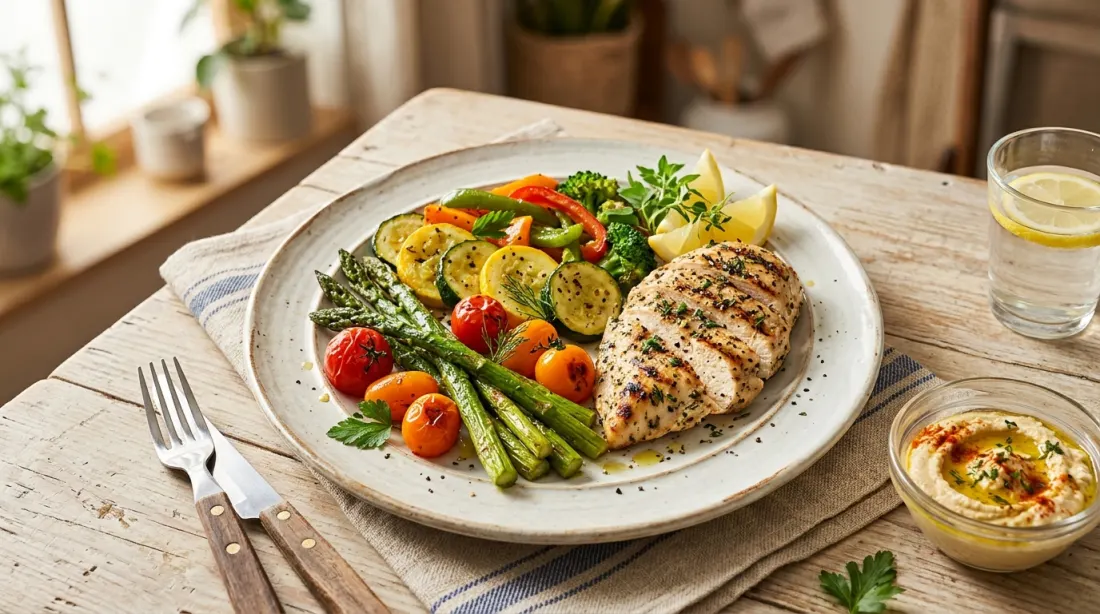
Why do these foods work so well? They combine protein, fiber, and water without a flood of refined sugar. That balance supports stable blood sugar and keeps you feeling full without the crash.
Protein-forward options
Protein helps you feel satisfied and supports muscle maintenance. Good choices include:
- Eggs, soft-scrambled or boiled
- Greek yogurt or cottage cheese
- Lentils, tofu, or a small portion of chicken or fish
Fiber and hydration
Fiber-rich, water-heavy foods ease digestion back into gear. Reach for:
- Cooked vegetables like zucchini, spinach, or carrots
- Berries, melon, or a small apple
- A cup of vegetable soup or bone broth
Foods to avoid when breaking a fast
Avoid large, greasy, fried, and heavily sugared foods immediately after fasting, since they can cause bloating, cramps, and sharp blood sugar swings. Mayo Clinic (mayoclinic.org) notes that refined sugar and processed foods drive rapid glucose spikes, which feel worse on an empty stomach after hours without eating.
Fried and fatty foods are especially tough. Your gut has been resting, and a heavy meal forces it to work hard fast, which often leads to nausea or a sluggish afternoon.
Watch out for these common culprits:
- Fast food, deep-fried items, and rich, creamy dishes
- Pastries, candy, sodas, and sweetened drinks
- Very large portions eaten quickly in one sitting
- Spicy foods, if you know they upset your stomach
Not sure whether your morning coffee or a snack counts? Our article on what breaks a fast breaks down which foods and drinks interrupt a fasting state.
How to break a longer fast gently
Longer fasts require the gentlest refeeding, starting with liquids and soft foods before any solid meal. The Harvard T.H. Chan School of Public Health (hsph.harvard.edu) supports whole-food, plant-forward eating patterns, and a slow reintroduction protects your digestion after 24 hours or more without food.
After a shorter overnight or 16-hour fast, most people can eat a normal balanced meal with a little care. Longer fasts are different. The longer you go without food, the more sensitive your system becomes to a sudden influx.
A gentle refeeding sequence
For fasts of 24 hours or longer, ease in with this order:
- Start with water and a cup of broth or diluted vegetable juice.
- After 30 to 60 minutes, add soft foods like cooked vegetables, fruit, or yogurt.
- Later, move to a balanced plate with protein, fiber, and healthy fats.
If you ever feel dizzy, shaky, or unwell when breaking an extended fast, stop and check in with a healthcare professional. Extended fasting is not right for everyone, including people who are pregnant, managing diabetes, or have a history of disordered eating.
A sample first meal after fasting
A simple, balanced first meal pairs protein, fiber, and healthy fat in a modest portion. Registered dietitians cited by the Cleveland Clinic (clevelandclinic.org) recommend combining protein and fiber to slow digestion and steady blood sugar, which makes the following plate a reliable place to start.
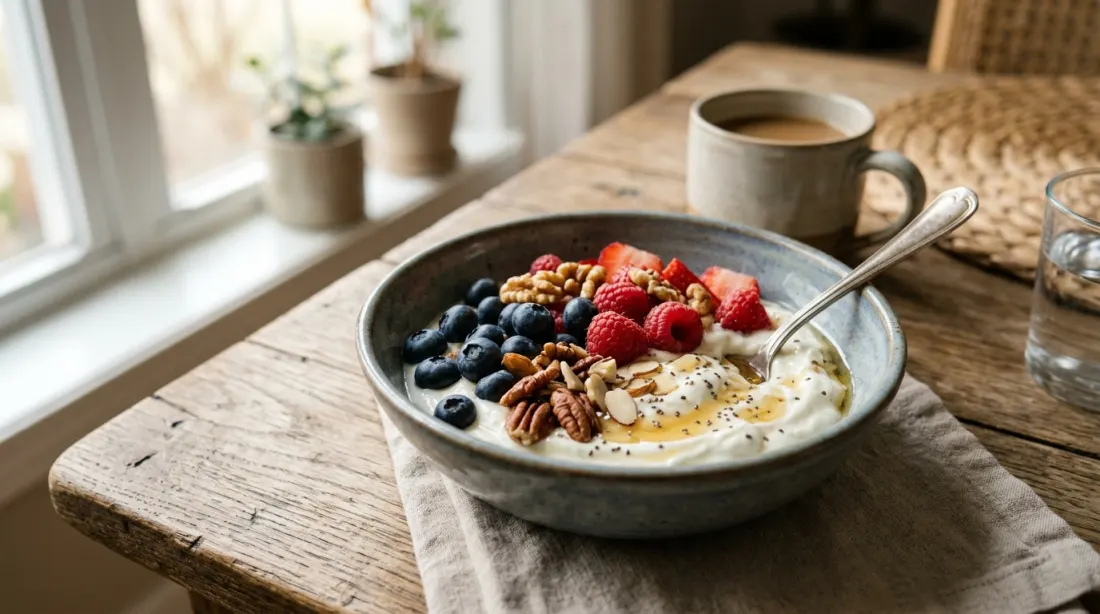
Try this easy template for your breaking a fast meal:
- Two eggs or a bowl of Greek yogurt for protein
- A handful of berries or a serving of cooked spinach for fiber
- Half an avocado or a few nuts for healthy fat
- A large glass of water, plus tea or black coffee if you like
Keep the portion moderate. You can always eat more at your next meal once you know how your body responds. Eating slowly and chewing well gives your stomach time to catch up and signals fullness before you overdo it.
Should you eat protein first?
Eating protein early in your first meal is a smart move, because it supports fullness and muscle maintenance while blunting blood sugar spikes. Johns Hopkins Medicine (hopkinsmedicine.org) highlights protein for satiety, and leading with it helps you avoid the sugar-driven crash that refined carbs can cause on an empty stomach.
That said, order matters less than overall balance. Pairing protein with fiber and fat gives you the steadiest energy. Eating a plain sugary snack first is what tends to backfire.
If your goal is fat loss or better appetite control, this balanced, protein-forward approach fits naturally into most eating windows. Our guide on intermittent fasting for weight loss explains how meal composition supports your results.
Frequently asked questions
How long should I wait before eating a big meal?
Wait about 30 to 60 minutes after your small first portion before eating a full meal. This staggered approach gives your digestion time to restart and lowers the chance of bloating or discomfort. The Cleveland Clinic (clevelandclinic.org) encourages a gradual return to eating, especially after longer fasting windows.
Can I drink coffee when breaking my fast?
Yes, plain black coffee is generally fine when you break a fast, and many people enjoy it with their first meal. Add it alongside food rather than on a completely empty stomach if coffee tends to upset you. Mayo Clinic (mayoclinic.org) notes that black coffee is low in calories and typically well tolerated.
Is fruit a good way to break a fast?
Fruit can be a good choice because it offers fiber, water, and natural sugars in a whole-food package. Berries, melon, and apples digest gently and pair well with protein. Harvard T.H. Chan School of Public Health (hsph.harvard.edu) supports whole fruit as part of a balanced eating pattern.
What should I avoid drinking after a fast?
Skip sugary sodas, sweetened juices, and large energy drinks right after fasting, since they spike blood sugar quickly. Choose water, herbal tea, or broth instead. Mayo Clinic (mayoclinic.org) points to sugar-sweetened beverages as a major source of rapid glucose spikes, which feel worse on an empty stomach.
Ready to fast smarter?
Breaking your fast well is the last, and often overlooked, step of a successful fasting routine. Start small, lead with protein and fiber, and give your body time before a fuller meal. Track your fasting windows, streaks, and progress with Dawnly, a free intermittent fasting tracker built to help you fast with confidence and eat in a way that leaves you feeling good.
Track your fasts with Dawnly
A clean timer, flexible plans, and streaks that keep you going. Free on iPhone and Android.
Get Dawnly